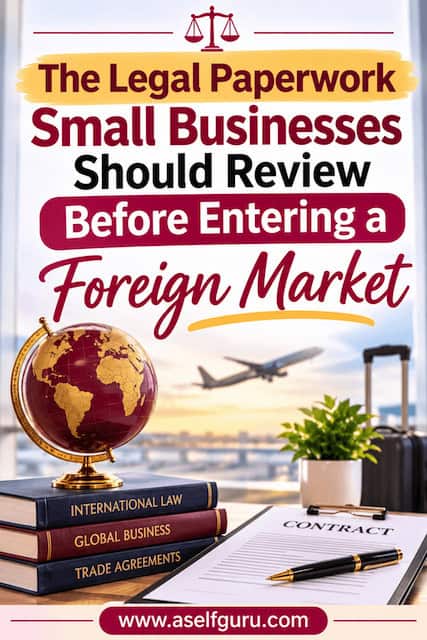
Many types of small businesses have services and products that can readily serve international audiences as well as the UK market, but getting the paperwork right from the start can save you stress down the line. Before you start to sell in a new country, go over the essential paperwork that determines how you sell there and how it should be conducted.
This is different for every country, even though the EU has tried to standardise trading with the UK since Brexit, so it’s imperative to check how you will take orders, how you will ship them, and how and when tax is due.
Company records and local registrations
Selling directly to customers via an international or locally translated website is one of the easiest options, but if you’re planning on selling directly within a country, they may require that you appoint a distributor. You might even have to register the business there if you plan to open a branch of your company.
It’s possible to find a complete list of required company documents when opening a bank account in a foreign country, or when simply registering your business there. Most foreign countries will require, at the very least, a certificate of incorporation and the articles of association. What’s more, these always tend to be required in the language of the country rather than English.
Once you know exactly which documents you’ll need, look for apostille UK services who can ensure that everything is legal and authorised for use. This is one of the main stumbling blocks of doing business abroad, as everything else, such as your marketing strategies, rests on you being able to provide the correct documentation to satisfy the authorities in the country.
Consider distributor agreements and trade mark rights
When it comes to agreements, contracts, and rights related to your business, you need to have this outlined as clearly as possible.
State who exactly is authorised to sell or distribute your product in the country, and specify the exact territories you are selling in and which channels you intend to use. Within the company, set the sales targets you wish to achieve and set an agreed revision date.
You’ll need someone to act as point person for complaints, warranties, and returns, and this can be a distributor in the country or an international service keeping track of things from the UK.
Before selling in your destination country, check the availability of the trademark as it can vary internationally.
Although it’s not something many businesses think about, have contingency plans in place, written down in clear documentation, as to what happens when an agreement ends, such as stock or marketing materials.
Licensing and customs documents
Many types of goods crossing borders will require a special UK export licence, a permit of import in the country you’re shipping to, or sometimes both. Each country has its own authority which issues licences, each one with different approval criteria and length of approval.
You can conduct research on the regulator within the country and ask them whether your product needs to be registered locally or go through extended safety testing before it is eligible to be sold.
The same is true if you are selling a service which is regulated, as you may need to provide staff UK qualifications translated and apostille stamped for the country of choice.
You’ll also need to take care of essentials such as who is going to act as the importer of record, how and when customs declarations will be filed, and who will pay any duties or fees related to import or export.
With so many different types of legal documentation required to operate outside of the UK, it pays for companies to ensure every aspect of their business venture is solid.
From making company documents available in foreign languages with apostilled translations to researching your trade mark obligations in advance, there are lots of steps you can take to ensure that your business is set up for success when reaching into new foreign markets.