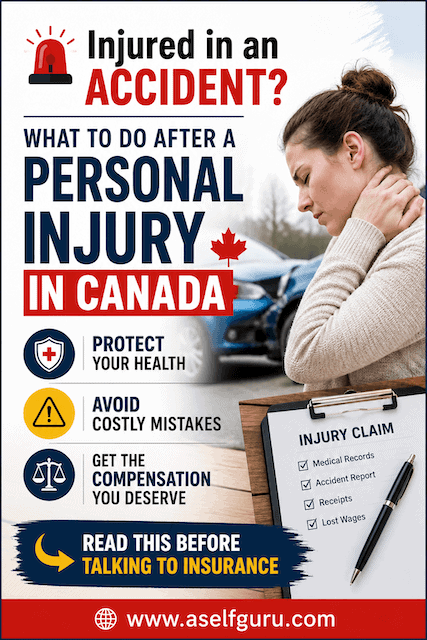
After an accident, the most important moves are simple. Get medical attention right away, write down everything you remember, and hold onto every receipt and document.
Avoid giving recorded statements to insurers before you understand your options.
These early actions protect both your health and your ability to seek fair compensation later. With a clear plan and the right support, you can move from feeling overwhelmed to feeling firmly back in charge.
Table of Contents
Introduction
One moment you’re driving home from work. Next, you’re sitting in an emergency room trying to piece together what just happened. An injury can flip an ordinary day upside down, and the hours that follow often feel like a blur of pain, paperwork, and worry about what comes next.
The good news is that you have far more say in the outcome than it might seem. Knowing what to do after a personal injury turns panic into a series of manageable choices, each one helping you steady the ground beneath you. Resources like Edwards Injury Law in Calgary exist to help people regain that footing when life suddenly feels uncertain.
This guide walks you through the practical steps that protect your well-being, your finances, and your legal standing, so you can stop reacting and start moving forward with confidence.
Steadying the Four Corners of Your Recovery
A serious injury hits more than your body. It rattles your bank account, your peace of mind, and your sense of what happens next. Recovering well means tending to all of these at once, rather than letting any single piece slide. Picture four corners of the same table. When each one holds firm, the whole thing stays level.
Here’s how to approach each corner in the days and weeks following an accident.
Put Your Physical Health First
Your recovery sets the foundation for everything else, so it always comes first. See a doctor the same day if you can, even when you feel fine. Some injuries, like whiplash or concussions, hide their symptoms for hours or days. Beyond the immediate care, your medical records quietly become one of the strongest forms of proof you have.
- Attend every follow-up visit and complete any prescribed therapy
- Describe your symptoms fully and honestly at each appointment
- Avoid gaps in treatment, since they can weaken a future claim
- Keep a simple journal tracking pain levels and daily limitations
Build a Solid Evidence Trail
Memory fades fast, and physical evidence disappears even faster. Gathering details early gives you a record you can rely on later. Understanding your rights after an accident starts with preserving the facts that prove what occurred and who was responsible.
Helpful items to collect include:
- Photos of the scene, your injuries, and any property damage
- Contact details for witnesses and anyone else involved
- A police or incident report filed with the proper authorities
- Written notes recalling the event while it’s still fresh
Get Your Finances on Stable Ground
Bills pile up while income often shrinks, and that squeeze causes real stress. Keeping organized records of every cost protects your ability to recover those losses down the road. Save medical receipts, proof of missed work, and any out-of-pocket spending tied to the injury.
Protect Your Legal Position
Insurance adjusters may call early, sometimes within hours. Be polite but careful. Avoid admitting fault or agreeing to a recorded statement before you grasp what your situation is worth.
Here’s a quick look at how these four corners compare:
| Corner | Main Goal | Key Action | Common Pitfall |
| Health | Heal fully | See a doctor promptly | Skipping appointments |
| Evidence | Prove what happened | Photograph and document | Waiting too long |
| Finances | Track all losses | Keep every receipt | Tossing paperwork |
| Legal | Protect your rights | Pause before signing | Talking to insurers too soon |
Tending to all four corners keeps you grounded. Knowing how the formal claim unfolds is what turns that stability into real momentum.
From Stable Footing to a Strong Compensation Claim
Once your health and records are in order, the formal side of recovery begins. Many people picture a dramatic courtroom showdown, but most cases settle long before that stage. The personal injury claim process explained in plain terms is far less intimidating than the version you see on television.
How the Claim Actually Unfolds
Knowing how to file a personal injury claim helps replace dread with a sense of direction. The path generally moves through these stages:
| Stage | What Happens | Roughly How Long |
| Consultation | Review your case and options | First few weeks |
| Investigation | Gather records and build evidence | Weeks to months |
| Demand | Present your losses to the insurer | After treatment stabilizes |
| Negotiation | Work toward a fair settlement | Several months |
| Resolution | Settle or, rarely, proceed to trial | Varies widely |
One detail catches a lot of Canadians off guard. Most provinces, including Alberta, give you only two years from the date of injury to take legal action. Miss that window, and you generally lose the right to pursue compensation altogether.
Knowing the Right Time to Call a Lawyer
You can handle a minor claim alone, but larger or disputed cases tend to benefit from guidance. Figuring out when to hire a personal injury lawyer comes down to a few honest questions:
- Are your injuries serious, lasting, or still being treated?
- Is the other party denying fault or shifting blame?
- Has an insurer offered an amount that feels low or rushed?
- Does the paperwork leave you confused or uneasy?
If you answered yes to any of these, professional support is worth exploring. Most injury lawyers in Canada work on a contingency basis, which means they only get paid if you win. That arrangement removes the worry of upfront costs.
Common Missteps That Can Sink a Claim
A few avoidable mistakes trip up otherwise solid claims:
- Posting about the accident or your activities on social media
- Accepting the first settlement before knowing your full costs
- Repairing or selling a damaged vehicle before it’s documented
- Letting deadlines quietly slip past
Steering clear of these keeps your momentum intact and your options open as you head toward a resolution.
Moving Forward on Your Own Terms
An injury can knock the wind out of your life, but it doesn’t get to decide how the story ends. The difference between feeling helpless and feeling capable often comes down to a handful of early, deliberate choices: caring for your health, saving your records, watching your costs, and protecting your legal position.
Take it one steady step at a time. Lean on trusted professionals when the path grows complicated, and give yourself credit for every small win along the way. Recovery rarely runs in a straight line, yet each thoughtful decision brings a little more stability back within reach.
You have more control than the chaos of those first hours suggests. Used wisely, that control is what helps you find your footing again and face whatever comes next on steadier ground.