If you’re just getting started and wondering how to write a business plan for beginners, you’re not alone.
Writing a business plan might seem intimidating, but it’s one of the smartest things you can do to set your business up for long-term success.
Every successful business starts with a solid foundation, and that foundation is the business plan.
Whether you’re starting a coffee shop, building a tech company, or expanding a service from home, your business plan acts like a guide.
A good business plan helps you:
-
Clarify your ideas
-
Stay focused on your goals
-
Secure funding or attract investors
-
Avoid common pitfalls that derail most startups
In this guide on how to write a business plan for beginners, I’ll break down everything you need to know in plain language, so you can confidently create a plan that works for your unique business idea.
Table of Contents
What Is a Business Plan and Why Do You Need One?
A business plan is a written document that outlines your business goals, strategies, financial forecasts, and operational plans.
It acts as a roadmap for your business.
If you’re a beginner, you may be tempted to skip this step. Don’t.
Here’s why writing a business plan is essential:
-
It gives your business direction and clarity.
-
It helps attract investors, partners, or lenders.
-
It allows you to anticipate challenges and plan solutions.
-
It builds your confidence as a business owner.
Without one, it’s easy to lose focus, overspend, or chase ideas that don’t align with your goals.
The structure of your business plan may vary depending on your industry or stage of growth, but certain key sections appear in almost every version.
From defining your product to projecting your finances, each part serves a specific purpose.
In short, if you’re serious about starting a business, a solid business plan is your best first move.
Let’s break down what every entrepreneur must know before putting their ideas into motion.
Business Education for Your Startup Business Plan
Writing a lean business plan requires more than filling in blanks.
It’s a strategic process that involves market research, financial thinking, and operational planning.
Entrepreneurs who take time to learn these fundamentals often build stronger businesses with clearer direction.
If you’re starting from scratch or pivoting from another career, formal education can help you build confidence.
Business knowledge isn’t just for big corporations—startups benefit just as much from clear planning, smart budgeting, and structured thinking.
One flexible option for entrepreneurs seeking formal business training is the online MBA entrepreneurship degree from Southeastern Oklahoma State University.
This program stands out for its practical focus, fully online format, and accelerated structure.
It’s designed for working professionals who want to strengthen their business planning and leadership skills while continuing their day jobs.
Students can apply what they learn right away, which makes this program especially useful for entrepreneurs building their own ventures in real time.
Online learning options like this make education more accessible.
If you’re juggling work, family, or other responsibilities, an online program gives you the freedom to study on your schedule.
It’s a practical path for self-starters who want to deepen their knowledge without stepping away from their business goals.

Step-by-Step: How to Write a Business Plan for Beginners
A well-crafted business plan takes into account these factors. Follow this step-by-step guide to create a great business plan of your own.
1. Start with Your Business Concept
Before diving into numbers or timelines, define your business concept.
You should include:
-
Business name
-
Mission statement (why you exist)
-
Vision statement (where you’re going)
-
The problem you solve
-
Who you solve it for (your ideal customer)
Example: “My business, FreshBloom Florals, provides affordable and locally sourced flower delivery to busy professionals who want beautiful arrangements without the markup of big retailers.”
Ask yourself these questions to help you write this section:
- What product or service am I offering?
- Who is my target customer?
- What value does my business provide that others don’t?
Avoid vague answers like “great quality” or “best service.”
Be specific. If you’re launching a fitness studio, what sets it apart—location, class style, pricing, or atmosphere?
This lays the foundation for everything else in your plan. It frames your decisions and helps others (like lenders or partners) understand your vision.
2. Conduct Market Research
Once your idea is clear, you need to understand your target audience.
Market research shows whether your idea has demand, who your competitors are, and how you can position your business effectively.
There should be a dedicated market analysis section in your business plan.
Start by identifying your target audience.
Who are they? Where do they live? What are their buying habits?
Look at public data, online surveys, or even informal interviews to learn more about your ideal customer and your customer needs.
Then, look at competitors in your area or niche.
What do they do well? Where are the gaps? If possible, test your idea on a small scale—offer a free sample, run a pilot program, or ask for feedback.
This helps you adjust before investing too much too early.
Good market research doesn’t have to cost a lot. It’s more about asking the right questions and being honest about the answers.
If there’s no demand or too much competition, it’s better to find out early so you can pivot.
3. Define Your Products or Services
You need to be able to explain the following:
-
What you’re selling
-
How it solves a problem
-
What makes your offer unique (your competitive advantage)
For example:
-
Do you offer something faster, cheaper, or more convenient?
-
Do you use sustainable materials or offer a one-of-a-kind service?
This section should highlight your unique value proposition.
Watch this helpful video to learn how to legally market and sell your products.
4. Define Your Business Model
Your business model explains how your company will make money.
It covers what you’ll charge, who will pay you, and how that process works from beginning to end.
There are many models to choose from such as:
- Direct-to-consumer sales
- Subscription services
- Licensing
- Service-based pricing
- Affiliate or commission-based models
Some businesses use a mix of models, like an online store with a monthly membership for VIP deals.
Be clear about your revenue streams. If you’re offering multiple products or services, explain how each one contributes to your income.
Make sure you have proper terms and conditions and additional contracts here to safeguard your products and services.

Also, think about the cost structure:
- What are your fixed costs (like rent or software)?
- What are your variable costs (like materials or shipping)?
This part of the plan shows whether your business idea is financially viable. A great product won’t succeed if the pricing model doesn’t work.
5. Outline Your Marketing Plan and Sales Strategy
How will you attract and convert customers?
Break it down:
-
Marketing channels: Social media, SEO, email marketing, local events, paid ads, etc.
-
Sales process: How customers will purchase (online, in person, via consultations, etc.)
-
Pricing strategy: How you’ll price your offer compared to competitors
Pro Tip: As a beginner, start simple. You don’t need to be everywhere—just where your ideal customers are.
Map out how people will move from discovering your brand to making a purchase.
Then outline what happens after the sale—how you’ll follow up, collect feedback, and keep customers engaged.
Your strategy doesn’t need to be complicated.
Focus on 2–3 key activities you can execute consistently.
A strong, focused approach is better than spreading yourself across every platform without results.
6. Legal Documents for Your Business
As you create an effective business plan, you also need to think about the legal documents your business needs.
What kind of legal requirements you need to fulfill.
Each business is different and depending on your business operations, you will need different legal documents to ensure compliance.
For example, any online business (no matter what you are selling) will need these three legal documents on their website:
- A privacy policy because it’s legally required
- A Disclaimer to limit your legal liability and prevent lawsuits
- Terms and Conditions to outline your rules, refund policies, intellectual property and dispute resolution processes.
When it comes to legal documents, relying on free templates is a serious mistake.
Make sure to work with a lawyer or grab legal templates written by a lawyer to protect your new business.
Grab my free legal guide to learn how to protect your new business:
7. Describe Your Business Structure and Operations
While thinking about legal documents, you also need to make a decision on whether your business will be a sole proprietorship or an LLC.
An LLC is usually the best legal structure for a small business owner.
Think about important detailed information such as:
-
Business structure (LLC, sole proprietor, S corp, etc.)
-
Day-to-day operations (inventory, staffing, production)
-
Location (online, storefront, home office)
-
Legal and licensing considerations
If you’re launching an online business, make sure your website is legally compliant with a privacy policy, disclaimer, and terms & conditions.
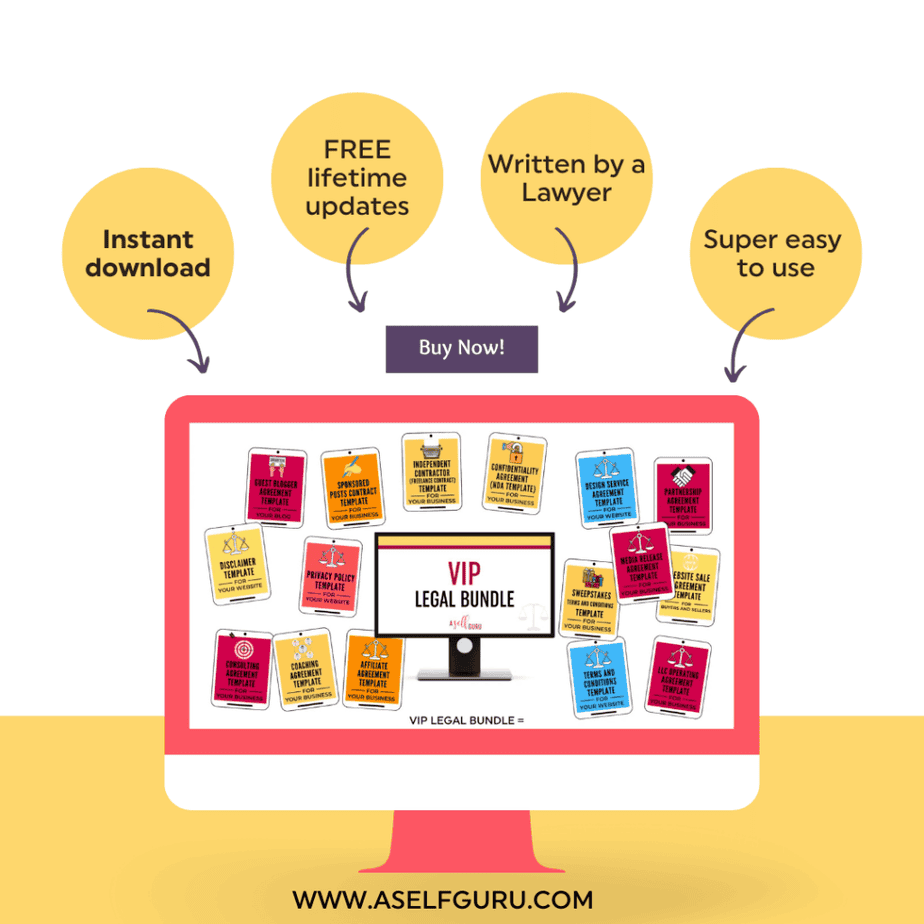
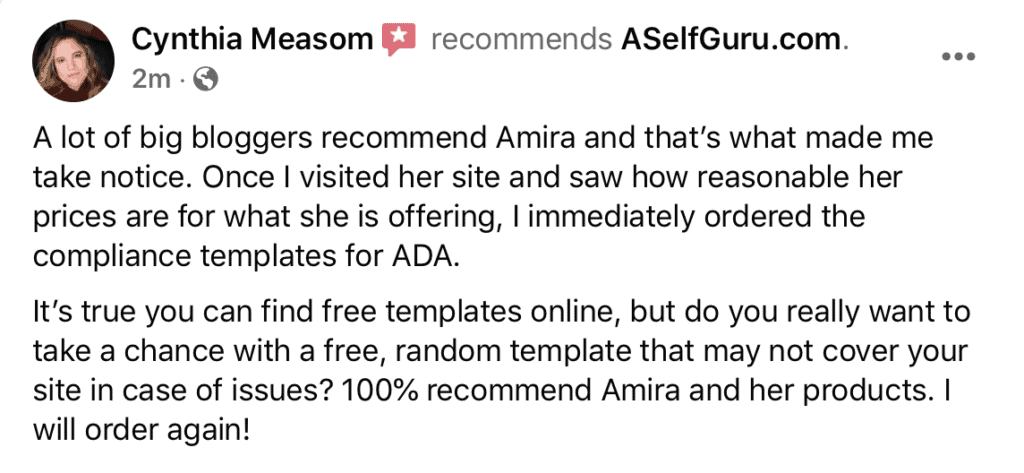
You also need to make sure your website is compliant with accessibility laws and this is the legal bundle you’d need.
8. Detail Operations and Team Structure
Your business plan should also explain how things will run day to day.
This section includes your operations workflow, supply chain (if applicable), and team roles.
Investors or lenders want to know how your business will deliver on its promise.
Start by describing your process:
- How will products or services be made, delivered, or fulfilled?
- What tools or software will support daily work?
- How will you handle customer service, scheduling, or communication?
Then outline your team.
Who is responsible for what?
If you’re working alone, describe how you’ll manage different tasks or when you plan to hire help.
If you have partners or co-founders, describe each person’s role. Add short bios for key players if you’re presenting your plan to others.
Clarity here shows that you’ve thought through logistics and aren’t relying on vague expectations. It also helps you identify any gaps before launch.
9. Project Financials and Set Realistic Goals
Numbers matter.
Financial projections help you evaluate whether your business is profitable or on track to be.
They also show that you’ve done the math behind your idea, which adds credibility when talking to potential investors or lenders.
Your financial section should include three core documents:
- A projected income statement (profits and losses over time)
- A balance sheet (assets, liabilities, equity)
- A cash flow statement (how money enters and leaves your business)
Start with your revenue forecast.
Estimate how many units you’ll sell per month, what you’ll charge, and what your total income will be.
Then subtract fixed and variable costs to calculate your profit. Be conservative. It’s better to underestimate and beat expectations than to overpromise and miss targets.
You can also include break-even analysis.
This helps you figure out how much you need to sell to cover expenses. If your goal is to raise funding, include how much you need, how it will be used, and what returns are expected.
Even if you’re self-funding, building a financial model helps you stay grounded. It allows you to adjust pricing, cut unnecessary expenses, or plan for slower months.
This section is especially important if you’re applying for loans or pitching to investors.
10. Make Your Plan a Living Document
Too often, business plans get written once and forgotten.
But the most useful plans evolve. As your business grows, market conditions shift, or customer feedback rolls in, your plan should change too.
Revisit your plan at least once a quarter. Update your goals, tweak your marketing, or refine your pricing if needed. Use the document as a tool, not just a formality.
This approach keeps your business flexible.
It also helps you track progress, see what’s working, and spot issues early. When you treat your plan as a living document, it becomes part of your decision-making process.
This mindset also shows potential partners that you’re committed to growth and adaptability, which are qualities that matter in today’s fast-moving business landscape.
What Should a Beginner’s Business Plan Look Like?
Here’s a simple beginner business plan outline:
-
Executive Summary
-
Business Overview
-
Market Analysis
-
Products or Services
-
Marketing and Sales Plan
-
Operational Plan
-
Financial Plan
-
Appendix (if needed: charts, legal docs, research, etc.)
You don’t need to overcomplicate things. Keep it clear, concise, and tailored to your goals.
Pro Tips for Writing Your First Business Plan
-
Use plain language. You don’t need fancy buzzwords. Just be clear.
-
Be realistic. Don’t inflate numbers or overpromise results.
-
Include legal considerations. As a business lawyer, I’ve seen beginners get in legal trouble for skipping things like contracts, LLC formation, or website policies.
-
Review and revise. A business plan is a living document. Update it regularly as you grow.
FAQ on How to Write a business Plan for Beginners
Below are answers to common questions on how to write a business plan for beginners.
Do I need a business plan if I’m not looking for funding?
Yes. A business plan helps you clarify your goals, stay organized, and anticipate obstacles—even if you’re self-funded.
How long should a beginner’s business plan be?
It can be as short as 5–10 pages. Focus on clarity, not length.
Can I use a business plan template?
Absolutely! Templates can help you get started faster. Just be sure to customize them to fit your specific business.
What’s the most important part of a beginner’s business plan?
The executive summary, financials, and marketing strategy are crucial—especially if you’re presenting to others.
Do beginners need legal documents included in their business plan?
You don’t need to attach all legal documents, but it’s smart to reference legal steps you’ve taken—like forming an LLC, getting insurance, or using contracts.
Final Thoughts: Your First Business Plan Is Just the Beginning
Now that you know how to write a business plan for beginners, you’re already ahead of most people who jump into business without one.
Whether you’re starting small or dreaming big, the process of writing it helps you get clear about what you’re doing and why.
Each step in the process—your concept, research, model, strategy, operations, and projections—works together to tell a full story.
It’s not about perfection. It’s about clarity, planning, and being honest about what it takes to succeed.
Writing a business plan doesn’t have to be scary. It’s simply putting your vision on paper so you can build with confidence and clarity. It can even be a one-page business plan as long as it’s a well-written business plan.
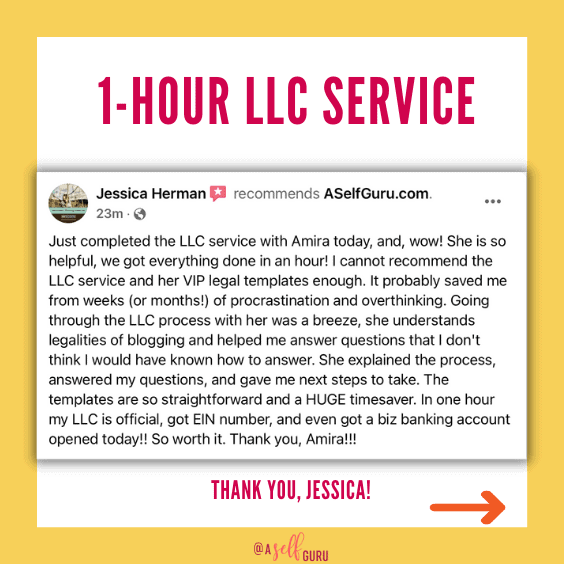
And if you want to make sure your business is legally protected from day one, check out my Legal Bundle templates—they include everything you need to launch with confidence and stay compliant.
RELATED BLOG POSTS ON HOW TO WRITE A BUSINESS PLAN
In addition to learning about how to write a business plan as a beginner, you should check out my legal tips page here along with these helpful articles next:
- 11 Website Legal Pages Every Online Business Needs
- When to Hire a New Jersey Accident Lawyer
- 15 Essential Legal Tips for Startups
- 23 Legal Tips for Small Business Owners
- Why You Need an AI disclaimer in your business
Subscribe to my YouTube channel for more legal and business tips.
VISIT THIS FREEBIES PAGE TO GET 5 AWESOME FREE BUSINESS, BLOGGING AND LEGAL TIPS!
Below are some more helpful blog posts, legal tips, tools, and resources that you should check out next:
Outrank your competition and enhance your content creation
How to Legally Protect Your Book (with Proper Copyright Notice and Disclaimer Examples)
Boost your creativity with these tips
This SEO tool makes sure your blog posts rank on the first page of Google!
Manage your accounting effortlessly with this amazing tool.
MORE TOOLS TO GROW YOUR ONLINE BUSINESS
TubeBuddy to grow your YouTube channel, and this is another great tool for YouTube SEO.
Free SEO Masterclass to learn how to optimize your blog posts for SEO to rank on Google. You can also buy this awesome bundle of ebooks instead if you prefer ebooks over video training.
Best accounting software to manage profit and loss and more!
Best registered agent service for your new LLC.
A great all-in-one business platform for hosting your course, email communications, sales pages, and more!
How to start your blogging business and make money online
The Best Freelance Writing Contract Template (for writers and clients)
Guest Blogger Agreement to publish guest posts on your website legally and avoid any copyright infringement, Media release agreement to be able to use other people’s photos, videos, audio, and any other content legally, Privacy policy on your website to ensure your blog’s legal compliance, Disclaimer to limit your legal liability, Terms and Conditions to set your blog rules and regulations! Get all of these templates at a discounted rate in one of my best-selling VIP legal bundle here.